The Story of Copper: Part 2
The Story of Copper: Part 2 - Significant Alloys and their Weldability
Significant Alloys and their Weldability
As we saw in Part 1 of this story, copper is a very important material for the planet’s electrification. However, copper is also very important in alloy systems combining with elements like zinc, tin, nickel, and aluminum to enhance properties such as strength, corrosion resistance, and conductivity. The metal itself and, its major alloys include the following groups
- Pure (Copper 99.9%)
- Brass (copper-zinc),
- Bronze (copper-tin/aluminum/silicon),
- Cupronickel (copper-nickel), and
- Nickel silver (copper-nickel-zinc).
- Nickel copper (70:30 Monel)
Having covered the Nickel/Copper alloy Monel in our Story of Nickel Part 2 (see attached link), this note will take a first look at two other important alloys of copper, these being the aforementioned
- Cupro-nickel (nominally 90/10 or 70/30 Cu-Ni)
- Copper- Aluminum (nominally 5-12% Aluminum and the balance copper. Iron and nickel are added for specific alloys)
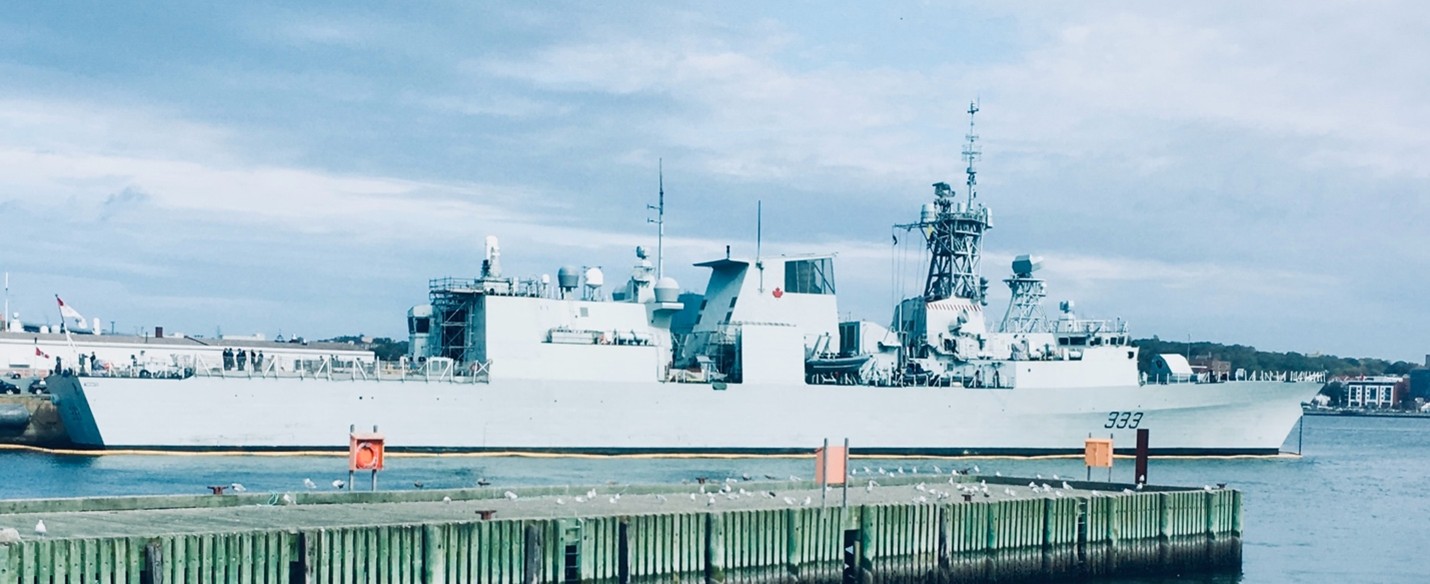
These two alloys are used extensively in commercial marine applications, such as container ships and in warships such as frigates like HMCS Toronto shown in Figure 1, tied up in Halifax.
It is important that we understand these alloys as they will almost certainly be part of our upcoming River Class Destroyer program and the current CCG icebreaker build. These materials are also likely to be used in the submarines Canada is currently looking to purchase.
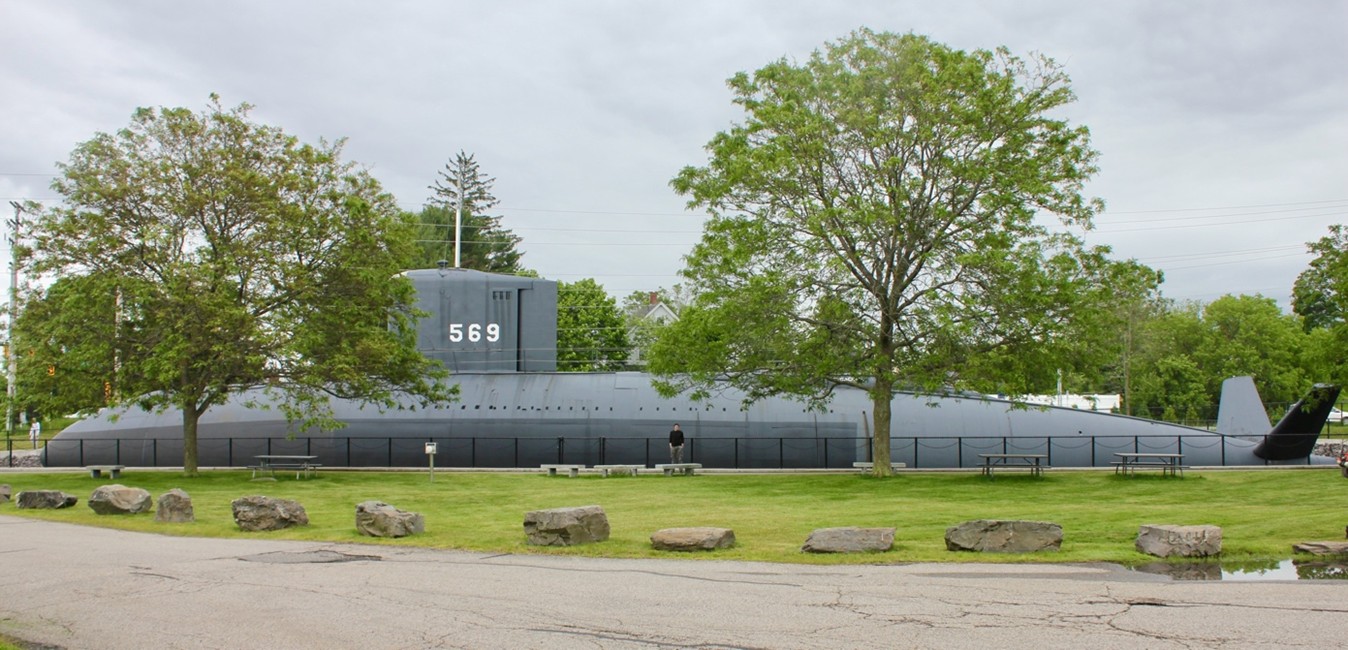
Indeed, historically, these alloys were trialed for use on board the submarine USS Albacore which is now a museum in Portsmouth. New Hampshire and is shown in Figure 2.
These materials have been standard in naval submarine construction since the 1950s due to their superior corrosion resistance and strength in seawater environments where the alloys were used for critical functions during the Albacore’s service life from 1953-1972. Apart from use and study of copper alloys for on board service use, the Albacore hull saw the first use of HY 80 steel which, subsequently, became a standard for submarine pressure hulls.
Significant Properties of Copper-Nickel Alloys
Copper-nickel alloys are highly corrosion-resistant, ductile, and biofouling-resistant. Biofouling is the undesirable accumulation of microorganisms, plants, algae, and small animals on submerged surfaces, such as ship hulls, pipes, and marine infrastructure. It begins within hours of immersion, causing increased surface drag, higher fuel consumption and can lead to the spread of invasive species.
- Composition: Primarily 90% Copper/10% Nickel (90/10) or 70% Copper/30% Nickel (70/30), often with iron and manganese added to enhance corrosion resistance
- Corrosion Resistance: Excellent resistance to seawater, brackish water, and marine environments, including stress corrosion cracking.
- Physical Characteristics: High ductility and strength.
- Thermal/Electrical Conductivity: Significantly lower than pure copper, but comparable to carbon steel, reducing the need for high preheat.
Weldability and Fabrication
Copper nickel has very good weldability using primarily the GTAW or GMAW processes with strict cleanliness discipline required when welding. This cleanliness is required to avoid porosity; surfaces must be free of grease, oil, paint, and moisture. Oxide films should be removed with stainless steel wire brushes
Matching filler metals are typically used to match the base materials corrosion resistance (AWS 5.7 ER CuNi). Generally, no preheat is required, but strict control of interpass temperature is advised. Since these alloys tend to distort, proper clamping and controlled tack welding is necessary.
Significant Properties of Copper-Aluminum Alloys
Aluminum bronze is a high-strength, copper-based alloy containing 9–14% aluminum, renowned for exceptional corrosion resistance (especially in seawater), high wear resistance, and high-temperature oxidation resistance. It offers strength comparable to low-alloy steel, with excellent shock resistance and anti-fouling properties.
- Composition. Metallurgically, the alloys with less than 8%Al are single phase. However, those with more than 9%Al are a more complex two-phase structures and are capable of being quenched to give a harder martensitic type micro-structure.
- Corrosion Resistance. All the alloys have excellent corrosion resistance, particularly in marine environments, and are used for pump bodies, valves, bearings and ships propellers. The characteristic that gives the alloy its corrosion resistance is the strong tenacious aluminum oxide film that forms on the surface. This can cause problems of oxide film entrapment and lack of fusion during welding.
-
Physical Properties Offers high yield and tensile strength, making it ideal for heavy-load applications, such as propeller blades and gears. Exhibits excellent resistance to abrasion and low coefficients of friction, suitable for bearings and bushings. Retains ductility at low temperatures and high strength at elevated temperatures.
Weldability and Fabrication
With respect to the welding processes, GTAW and GMAW are preferred. With GMAW the DCEP current is used as this polarity breaks up the oxide film. With the GTAW process it is necessary to use square wave AC current.
For most aluminum bronze alloys, a matching filler rod with similar composition (e.g., AWS A5.7 ERCuAl-A2) is used to maintain corrosion resistance and strength while preventing hot cracking.
As mentioned earlier in the text, there are several other alloys of copper and these will be discussed, together with a deeper dive into their weldability and possible problems thereof, in the upcoming Story of Copper Part 3
Mick J Pates IWE
President PPC and Associates
You may also be interested in: The Story of Nickel: Part 2
***
Disclaimer
The information provided is intended for general interest, to educate and inform our audience. The CWB and those providing feedback to the questions do not take any responsibility for any omissions or misstatements that could lead to incorrect applications or possible solutions that industry may be facing.
How-It Works content is submitted by Industry experts to the CWB Association and does not necessarily reflect the views of the CWB Group. When testing for CWB Certification or CWB Education, please refer to CWB Education textbooks or CSA standards as the official source of information.